How to Determine the Right Cleaning Frequency for Your Commercial Kitchen
Every restaurant kitchen runs on a simple truth: fire safety is not optional. The grease that collects inside your commercial kitchen hood, exhaust fan, and exhaust ductwork is a serious hazard. One overlooked cleaning schedule can lead to a kitchen fire that shuts down your business. I have seen too many operators treat hood cleaning as an afterthought, only to face failed inspections or worse. Understanding the cleaning frequency commercial kitchen operators need is the first step toward protecting your staff, your customers, and your investment.
NFPA 96 lays out the standard for fire-safe ventilation in commercial cooking. It is the benchmark every fire code inspector uses. The standard does not give you a one-size-fits-all number. Instead, it demands that your system be cleaned to bare metal at intervals that match how much grease your cooking produces. That is where judgment comes in. A diner that fries baskets of chicken all day needs a different rhythm than a bakery that bakes bread. The cleaning frequency commercial kitchen owners must follow depends on real cooking volume and the type of food prepared.
What the Bare Metal Standard Actually Means
The phrase "bare metal standard" sounds dramatic, but it is really about safety. When a certified exhaust cleaner finishes a job, every surface inside the hood, ductwork, and exhaust fan should be free of visible grease. No residue, no film, no buildup. This is not about aesthetics. Grease buildup reduces airflow, makes the fire suppression system less effective, and provides fuel for a fire. If your hood inspection reveals any grease, you fail. The standard is clear: the system must be clean enough that bare metal shows through.
I once worked with a busy pizzeria that thought cleaning twice a year was enough. By month four, the exhaust fan was caked with a quarter inch of grease. The fire department flagged it during a routine check. The owner had to shut down for a day to get an emergency hood cleaning. That lost revenue and damaged his relationship with the inspector. He now cleans every three months and passes every hood certification without trouble.
Factors That Drive Your Cleaning Schedule
NFPA 96 sets baseline recommendations based on cooking type. For systems that run high-volume fryers or grills, the standard suggests cleaning every three months. For moderate use like ovens or steamers, every six months may suffice. But the real world is messier. Here are the factors that really determine your schedule.
Volume of cooking. A restaurant kitchen serving 500 covers a night generates far more grease vapor than one serving 100 covers. More volume means more frequent cleaning. I have seen high-volume steakhouses that need cleaning every month because their charbroilers produce heavy smoke and grease daily.
Type of cooking. Deep frying, charbroiling, and wok cooking produce the most grease. Baking and steaming produce less. If your menu relies on fried foods, your cleaning interval will be shorter. A fried chicken chain I consulted had to clean every 60 days to stay compliant.
Condition of equipment. Worn grease filters let more grease pass into the exhaust ductwork. Old exhaust fans lose efficiency and let grease accumulate faster. Investing in hood repair and keeping filters clean between professional cleanings helps extend the safe window. But it does not replace professional cleaning.
The Role of the Hood Cleaner and Fire Suppression System
A professional Hood Cleaner does more than scrub metal. They inspect the entire system for damage, check the fire suppression system, and verify that the exhaust fan is running properly. The fire suppression system is your last line of defense. If a fire starts, UL 300 listed systems must activate and smother the flames before they spread. But if grease buildup blocks the nozzles or the system has not been serviced, it can fail. Your cleaning company should coordinate with your fire suppression service provider to ensure both are up to date.
I remember a case where a restaurant skipped one cleaning cycle because business was slow. The exhaust ductwork developed a heavy layer of grease. A small grease fire started in the fryer, and the suppression system tried to discharge but could not reach the fire through the thick buildup. The fire spread into the ductwork and caused major damage. That is the real cost of postponing cleaning.
How to Build Your Cleaning Schedule
Do not guess. Work with a certified exhaust cleaner who knows your local fire code. They can assess your system and recommend a starting interval. Then adjust based on your hood inspection results. If the cleaner finds more grease than expected, shorten the interval. If the system is clean at inspection, you might be able to extend it slightly. But never go beyond the maximum intervals in NFPA 96.

Here are the NFPA 96 recommended maximum intervals by cooking type:
- Systems serving high-volume frying, charbroiling, or wok cooking: every 3 months
- Systems serving moderate-volume cooking like griddles or ovens: every 6 months
- Systems serving light cooking like steamers or warming stations: every 12 months
These are maximums, not targets. If your grease buildup is heavy at the 3-month mark, you need to clean more often. The standard is bare metal, not just "clean enough."
Common Mistakes Operators Make
One mistake is treating the cleaning frequency commercial kitchen as a fixed number. It is not. Your volume changes, your menu changes, your equipment ages. A schedule that worked last year may not work this year. I have seen operators set a calendar reminder and never re-evaluate. That is a recipe for failure.
Another mistake is relying on in-house staff to clean the system. Grease removal from exhaust ductwork requires specialized tools and training. A certified exhaust cleaner follows the bare metal standard and documents the work. That documentation is critical during a hood inspection. Without it, the inspector has no proof the system was cleaned properly.
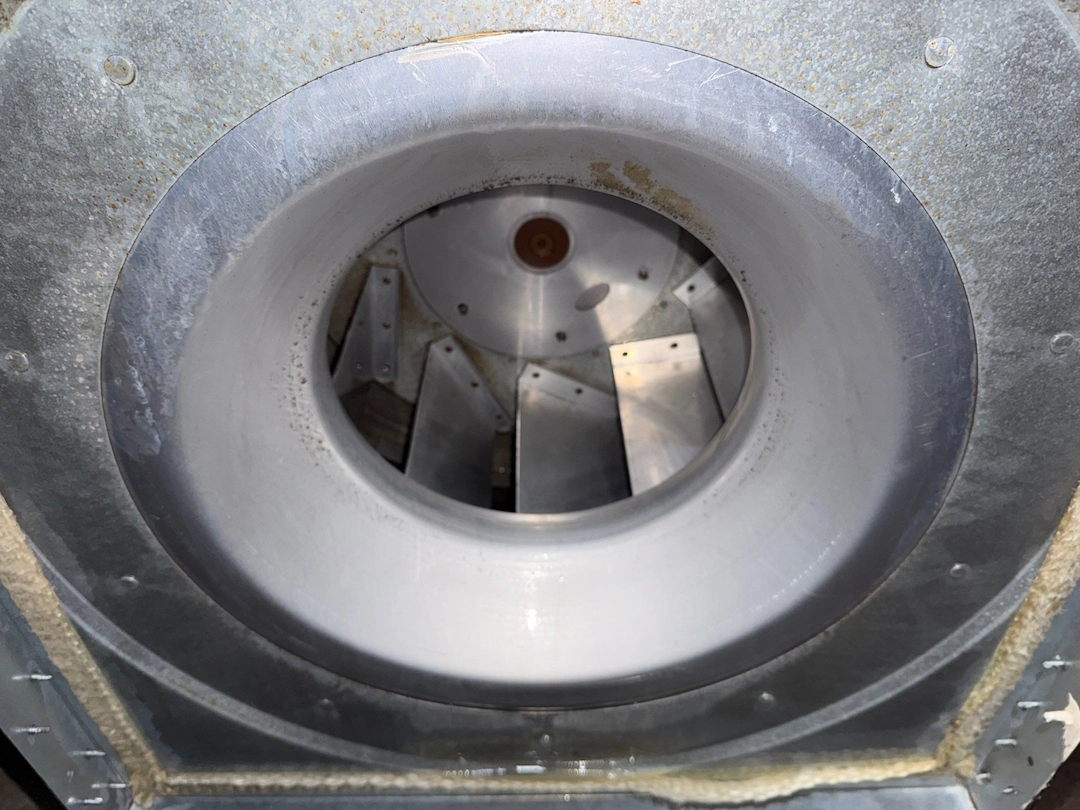
Some operators also ignore the exhaust fan. The fan blades and housing accumulate grease just like the hood. If the fan is not cleaned, it can become unbalanced and fail. That leads to poor ventilation, higher energy bills, and increased fire risk. Always make sure your cleaning contract includes the fan and all ductwork.
Practical Tips for Staying Compliant
Work with a certified exhaust cleaner who provides a detailed report after each cleaning. That report should list what was cleaned and note any issues found. Keep these reports on file for your next hood certification or insurance audit. Many fire code inspectors will ask to see them.

Also, keep your grease filters clean between professional visits. Wash them daily or as recommended by the manufacturer. Clean filters capture more grease before it enters the ductwork, which helps extend the safe interval between full cleanings. But never assume clean filters mean you can skip professional cleaning. The ductwork still needs attention.
Finally, educate your team. If a cook notices grease dripping from the hood, that is a sign the cleaning schedule is too long. Have a system for reporting issues. A few minutes of awareness can prevent a major problem.
The Bottom Line on Cleaning Frequency Commercial Kitchen
Getting the cleaning frequency commercial kitchen right is not complicated, but it does require honesty about your operation. Look at your menu, your volume, and your equipment. Hire a Hood Cleaner who understands NFPA 96 and the bare metal standard. Build a schedule that keeps your system truly clean, not just compliant on paper. Your restaurant kitchen will run safer, your inspections will pass, and your business will avoid the devastating cost of a kitchen fire.